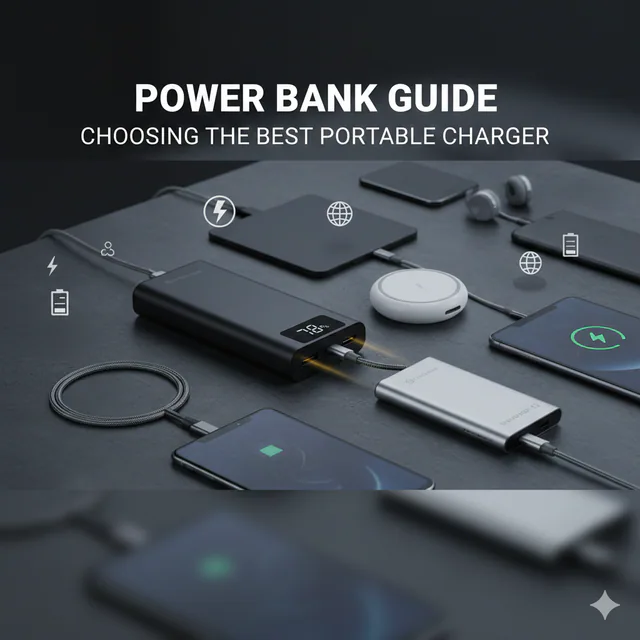
In today’s fast-moving digital world, smartphones, tablets, wireless earbuds, smartwatches, and portable gaming devices have become essential tools for communication, entertainment, and productivity. However, heavy daily usage often drains batteries quickly, leaving users searching for charging outlets during travel, work, or emergencies. This is where a power bank becomes one of the most useful mobile accessories.
A power bank is a portable battery designed to store electrical energy and recharge electronic devices when traditional power sources are unavailable. Whether you are commuting daily, traveling long distances, attending meetings, or facing unexpected power outages, a reliable power bank ensures that your devices remain functional.
This article explores everything you need to know about power banks, including how they work, their types, key features, benefits, buying tips, and safety practices.
Understanding a Power Bank
A power bank is essentially a rechargeable battery pack housed inside a compact case. It stores energy through an electrical source such as a wall charger, laptop USB port, or car adapter. Once charged, it transfers stored energy to another device using a USB or USB-C cable.
Modern power banks support multiple charging standards and devices, including smartphones, Bluetooth accessories, cameras, tablets, and even laptops.
How Does a Power Bank Work
The working mechanism is simple yet efficient:
- Electricity flows into the power bank through an input port.
- Internal lithium batteries store this energy.
- A circuit board regulates voltage and prevents overheating.
- Energy flows out through output ports when connected to devices.
Smart circuit technology protects devices from overcharging, overheating, and short circuits, making modern power banks safe for everyday use.
Why a Power Bank Has Become Essential
Portable electronics have become more powerful, but battery capacity improvements have not always kept pace with usage demands. Streaming videos, gaming, GPS navigation, and social media apps consume significant energy.
Here are common situations where a power bank proves essential:
- Traveling without easy access to outlets
- Outdoor activities such as camping or hiking
- Emergency power outages
- Long work shifts or remote jobs
- Students attending long classes
Instead of worrying about battery percentage, users can recharge anytime and anywhere.
Types of Power Banks Available Today
Not all power banks are the same. Understanding the different types helps you select the right one for your needs.
Standard Portable Power Banks
These are the most common models designed primarily for smartphones and accessories. They usually offer USB-A or USB-C output ports and capacities ranging from 5,000mAh to 20,000mAh.
They are lightweight and ideal for everyday carry.
Fast Charging Power Banks
Fast charging models support technologies such as Power Delivery or Quick Charge. They significantly reduce charging time compared to standard models.
Many modern smartphones from companies like Apple and Samsung Electronics support fast charging standards, making compatible power banks highly useful.
Wireless Power Banks
Wireless charging power banks eliminate cables by using induction charging technology. Users simply place compatible devices on the charging surface.
They are convenient but may charge slower compared to wired options.
Solar Power Banks
Solar power banks include solar panels that convert sunlight into energy. These are popular among hikers and travelers who spend extended time outdoors.
However, solar charging works best as a backup rather than a primary charging method.
Laptop Power Banks
High-capacity models designed for laptops deliver higher voltage output. These are larger and more powerful, often supporting USB-C Power Delivery.
Power Bank Capacity Explained
Capacity is measured in milliampere-hours (mAh), which determines how much energy the power bank can store.
Here is a general guide:
- 5,000mAh – Charges most smartphones once.
- 10,000mAh – Two smartphone charges or multiple accessories.
- 20,000mAh or higher – Multiple device charges or tablets.
For example, a 20,000mAh power bank can charge an average smartphone approximately four to five times depending on battery size and energy loss during transfer.
Choosing the right capacity depends on lifestyle needs. Frequent travelers often prefer larger capacities, while daily commuters may find compact models sufficient.
Important Features to Consider Before Buying a Power Bank
Selecting the best power bank requires more than choosing the highest capacity. Several features influence performance and convenience.
Fast Charging Support
Look for Power Delivery or Quick Charge compatibility if your phone supports fast charging. This reduces downtime significantly.
Number of Ports
Multiple output ports allow charging more than one device at the same time.
Some models include USB-A, USB-C, and wireless charging combinations for versatility.
Build Quality and Safety
High-quality internal components protect devices against overheating and voltage fluctuations.
Brands like Xiaomi and other reputable manufacturers focus heavily on safety certification and battery management systems.
Charging Speed Input
Input speed determines how quickly the power bank itself recharges. USB-C fast input ports are highly recommended.
Size and Weight
Higher capacity usually means heavier weight. Travelers and students often prioritize portability.
LED Indicators or Displays
Battery percentage displays help users monitor remaining charge accurately instead of guessing based on blinking lights.
Advantages of Using a Power Bank
Power banks offer multiple benefits beyond simple convenience.
Continuous Connectivity
Whether managing business emails or attending online meetings, users avoid interruptions caused by low battery levels.
Travel Friendly
Airports, buses, and remote locations do not always provide charging stations. A power bank ensures independence from wall outlets.
Emergency Preparedness
During power outages or natural emergencies, communication devices remain operational.
Multi Device Charging
Many households rely on several gadgets simultaneously. One power bank can recharge multiple devices.
Common Mistakes People Make When Buying a Power Bank
Many buyers focus only on price or capacity and overlook important factors.
Some common mistakes include:
- Buying extremely cheap models without safety certification.
- Ignoring charging speed compatibility.
- Choosing oversized power banks for daily carry.
- Not checking airline travel regulations for large batteries.
Investing in quality ensures both performance and safety.
Safety Tips for Using a Power Bank
Although power banks are safe when used correctly, following best practices improves longevity.
- Avoid exposing the power bank to extreme heat.
- Do not drop or damage the device.
- Use original or certified charging cables.
- Avoid overcharging unnecessarily.
- Store in a cool and dry place.
If the power bank swells or overheats frequently, discontinue use immediately.
How to Maintain a Power Bank for Longer Life
Battery health depends on proper maintenance.
- Recharge every few months even if unused.
- Avoid fully draining the battery regularly.
- Use compatible chargers.
- Keep ports clean from dust.
Proper care can extend lifespan for several years.
Future Trends in Power Bank Technology
Portable charging technology continues to evolve rapidly.
Some upcoming trends include:
- Faster USB-C Power Delivery charging speeds.
- Graphene battery development for quicker energy transfer.
- Eco-friendly materials and energy efficiency.
- Integrated cables for convenience.
Wireless charging improvements may soon allow faster cable-free power transfer.
Conclusion
A power bank has transformed from a luxury gadget into a daily necessity for modern digital lifestyles. With increasing reliance on mobile devices for communication, entertainment, navigation, and work, portable charging solutions provide essential convenience and security.
Understanding capacity, charging speed, safety features, and portability helps buyers choose the right model according to their needs. Whether you are a student, traveler, professional, or outdoor enthusiast, investing in a high-quality power bank ensures uninterrupted connectivity wherever life takes you.
As technology advances, power banks will continue becoming faster, lighter, and more efficient, making them one of the most valuable accessories for anyone who depends on mobile technology.