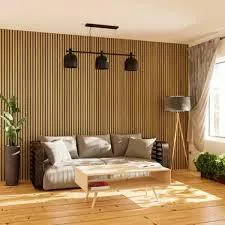
Wall panelling adds texture, warmth, and style to any room, transforming plain walls into focal points. Whether you're going for modern slats, classic wood, or affordable PVC, this guide walks you through the process step by step. Perfect for beginners, it covers planning, materials, installation, and tips for a pro finish.
Why Choose Wall Panelling?
Wall panelling isn't just decorative it's practical too. It hides wall imperfections, improves insulation, and boosts property value. Options like wooden panels evoke coziness, while PVC or MDF versions offer easy maintenance and moisture resistance, ideal for Dubai's humid climate. Expect costs from 60-200 AED per square meter, depending on materials.
Types of Wall Panels
- Wooden Panels: Timeless oak or pine slats for a natural look; great for living rooms.
- PVC Panels: Waterproof and budget-friendly; perfect for bathrooms or kitchens.
- MDF Panels: Smooth, paintable surface for custom designs; easy to cut.
- WPC (Wood Plastic Composite): Durable hybrid blending wood's charm with plastic's resilience.
- 3D or Textured Panels: Add depth and drama; acoustic options reduce noise.
Pick based on your space—residential like bedrooms or commercial like offices.
Tools and Materials Needed
Gather these before starting:
- Panels (measure room area +10% extra for cuts).
- Adhesive (construction glue or panel-specific), screws/nails.
- Level, tape measure, pencil, saw (jigsaw or miter), stud finder.
- Filler, sandpaper, paint/primer (optional).
- Safety gear: gloves, goggles, dust mask.
Budget tip: Buy from local suppliers like Wall Panels Dubai for custom sizes and free delivery.
Step-by-Step Installation Guide
Step 1: Planning and Preparation
Measure walls accurately—length x height for total square footage. Sketch layout, deciding on vertical/horizontal orientation. Clear furniture, remove baseboards/outlets. Clean walls thoroughly; repair cracks with filler. Prime if needed for better adhesion. Allow 24 hours drying time.
Pro tip: Start on the longest wall for symmetry. Account for outlets by marking positions.
Step 2: Find Studs and Mark Guidelines
Use a stud finder to locate wall studs every 16 inches. Mark horizontal lines with a level—first at 10cm from ceiling, then every panel width down. These guide straight alignment. For adhesive-only installs, ensure walls are flat (sand high spots).
Step 3: Cut Panels to Size
Measure and mark panels with pencil. Cut using a jigsaw for curves or miter saw for straight edges. Wear mask—dust flies! For slat panels, cut all at once for uniformity. Test-fit dry before gluing.
Step 4: Apply Adhesive or Fixings
Start top-center. Dab adhesive in zigzags on panel back (not too much to avoid squeeze-out). For screw-fixed: Pre-drill holes, secure to studs. Press firmly, use level to check plumb. Work row by row, tapping gently with rubber mallet. Wipe excess glue immediately.
Around outlets: Cut notches, secure edges. Corners: Miter cuts at 45 degrees for seamless joints.
Step 5: Finishing Touches
Caulk gaps with silicone for waterproof seal. Sand joints smooth, fill screw holes. Paint or stain to match decor—oil-based for wood durability. Reinstall baseboards, add trims for polished edges. Wait 48 hours before heavy use.
Time estimate: 1-2 days for a 20 sqm room.
Common Mistakes to Avoid
- Skipping measurements: Leads to gaps or short panels.
- Ignoring levels: Causes wavy walls—double-check every piece.
- Poor surface prep: Glue won't stick on dusty/dirty walls.
- Over-adhesive: Creates lumps; less is more.
- Wrong panel type: PVC for wet areas, wood for dry.
Cost Breakdown
ItemEstimated Cost (AED)Panels (per sqm)60-180Adhesive/Tools100-200Trims/Filler50-100Total (20 sqm room)1,500-4,000
Prices vary; shop sales for 20% off like current Dubai deals.
FAQs
What is the easiest wall panelling for DIY?
PVC or MDF self-adhesive panels—peel, stick, done. No power tools needed for small areas.
How long does wall panelling last?
10-30 years with quality install; wood endures longest, PVC resists moisture best.
Can I install over existing wallpaper?
Yes, if flat and secure. Score and clean first; avoid bumpy textures.
Do I need planning permission?
Usually no for interiors, but check Dubai Municipality for rentals or major changes.
What's best for humid Dubai climates?
WPC or PVC—mould-resistant and easy-clean. Avoid untreated wood.
How to remove old panelling?
Pry gently with crowbar; score adhesive lines first to avoid wall damage.
Can I paint wall panels?
Absolutely—MDF and PVC take paint well. Prime wood first for even coverage.
What's the difference between WPC and PVC?
WPC mimics wood grain with better insulation; PVC is cheaper, fully waterproof.
Conclusion
Wall panelling is an achievable DIY project that delivers big impact with minimal hassle. Follow these steps for stunning results that elevate any space, from cozy bedrooms to sleek offices. Ready to start? Contact Wall Panels Dubai for custom panels, expert advice, or pro installation—transform your walls today!