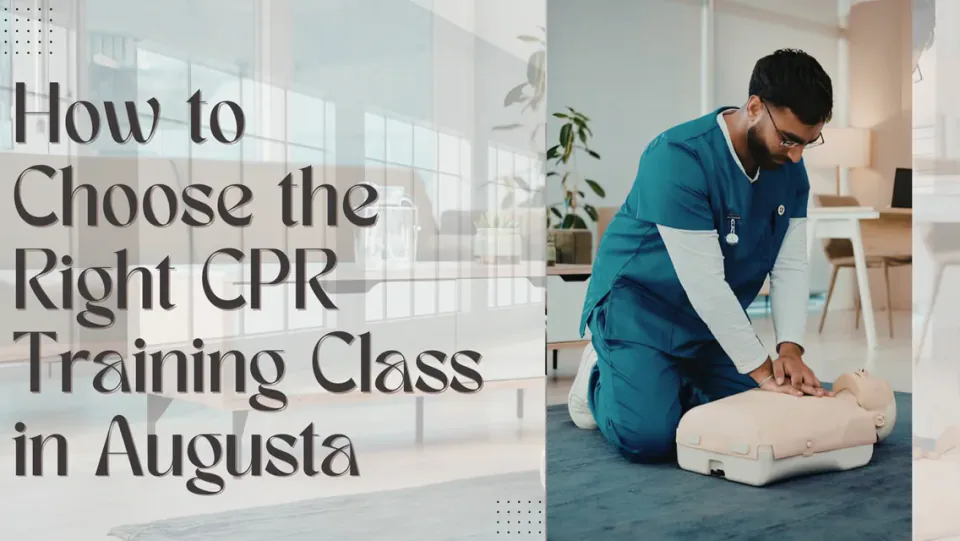
Every year, thousands of lives are saved by bystanders and medical professionals who knew exactly what to do in a crisis. When a cardiac emergency strikes, the clock starts ticking immediately. Having the confidence and skills to intervene can mean the difference between life and death. Whether you are a healthcare provider, a teacher, a coach, or simply a concerned citizen, getting certified is a crucial step toward ensuring the safety of those around you. If you have been searching for CPR Training in Augusta, you are already on the right path to becoming a vital link in the chain of survival for your community.
In this comprehensive guide, we will explore the different types of certification available, who needs them, and how you can find the best CPR Training near you in Augusta to fit your schedule and career goals.
Why Certification Matters
Before diving into the specific courses, it is important to understand why these certifications are non-negotiable for many professions. For healthcare workers, current certification is often a condition of employment. But beyond the paycheck, these skills empower you to act. Cardiac arrest can happen at home, at work, or in public spaces. By obtaining your certification, you are not just checking a box for HR; you are equipping yourself to protect your family, friends, and neighbors.
Finding quality CPR Training in Augusta ensures that you are learning the most up-to-date guidelines based on the latest scientific research. Protocols change compression depths, breath ratios, and medication algorithms are updated periodically to improve survival rates. A local, accredited course ensures you aren't relying on outdated information.
Basic Life Support Certification: The Foundation
For many, the first step into emergency cardiovascular care is obtaining a Basic Life Support Certification. Often referred to simply as BLS, this course is designed for healthcare providers and public safety professionals. It is distinct from the standard "Heartsaver" CPR courses often taken by laypeople because it focuses on the team dynamic of resuscitation.
If you are a nurse, a doctor, an EMT, or a paramedic student, a Basic Life Support Certification is likely a prerequisite for your job. This course covers high-quality CPR for adults, children, and infants. It emphasizes the critical concept of the "Chain of Survival" and teaches you how to recognize life-threatening emergencies quickly.
One of the key takeaways from a BLS course is the proficiency in using an Automated External Defibrillator (AED). AEDs are commonplace in schools, airports, and malls, but using them under pressure requires practice. During your training, you will engage in simulated scenarios that force you to think on your feet, initiate the call for help, and begin chest compressions immediately.
Furthermore, the course covers relief of choking for responsive and unresponsive victims. By the end of the class, you should feel confident in your ability to perform as a single rescuer or as part of a larger, multi-rescuer team. This certification is the bedrock of all advanced life support courses.
Advanced Cardiovascular Life Support Certification: For the Medical Professional
Once you have mastered the basics, many medical professionals choose to advance their skills through an Advanced Cardiovascular Life Support Certification, or ACLS. This course is strictly for healthcare providers who direct or participate in the resuscitation of patients in critical care settings, emergency departments, and intensive care units.
ACLS goes far beyond chest compressions. It delves into the pharmacology of cardiac emergencies. You will learn about the various algorithms used to treat conditions like bradycardia, tachycardia, and acute coronary syndromes. Obtaining your Advanced Cardiovascular Life Support Certification requires a deep understanding of how to read ECGs (electrocardiograms) and how to manage airways effectively.
In Augusta, hospitals and medical centers require this certification for nurses, physicians, and respiratory therapists. The training emphasizes communication and leadership during a "code blue" situation. Students learn how to run a resuscitation team, delegating tasks like compressions, medication administration, and airway management to different team members while maintaining an overview of the patient's status.
The course is rigorous and demands a strong grasp of BLS fundamentals. However, the payoff is immense. With an Advanced Cardiovascular Life Support Certification, you become a leader in the clinical environment, capable of guiding a team through the most high-pressure scenarios a medical facility can face.
Pediatric Advanced Life Support Certification: Specialized Care for Children
Treating children is vastly different from treating adults. Physiology, medication dosages, and even the root causes of cardiac arrest vary significantly in pediatric patients. This is why the Pediatric Advanced Life Support Certification (PALS) is essential for any healthcare provider working in pediatrics, obstetrics, or emergency transport.
A child’s airway is smaller and more fragile, and their heart rates and blood pressure norms differ by age group. The Pediatric Advanced Life Support Certification equips nurses, pediatricians, and paramedics with the specific knowledge needed to stabilize infants and children. The course uses a series of simulated pediatric emergencies to teach the systematic approach to pediatric assessment.
One of the most critical components of PALS is the recognition of respiratory distress and shock. In the pediatric population, respiratory failure is the most common cause of cardiac arrest. Therefore, identifying the early signs of respiratory failure and intervening before the child’s heart stops is the primary goal.
For those searching for CPR Training in Augusta, it is vital to check if the training center offers specialized pediatric courses. The skills learned here such as intraosseous access and specialized resuscitation algorithms are indispensable for anyone whose career involves caring for the youngest members of our community.
Finding CPR Training Near You in Augusta
Now that we have outlined the different levels of certification, you might be wondering how to get started. Locating the best CPR Training near you in Augusta involves looking for accredited training centers. Whether you are located downtown or in the surrounding areas like Evans or Martinez, there are options available that fit busy schedules.
When searching for a class, look for providers authorized by nationally recognized organizations. This ensures that your certification will be accepted by hospitals and licensing boards across the country.
Flexibility is key. Many local training centers offer a "blended learning" option. This allows you to complete the cognitive portion of the course online at your own pace, followed by a shorter, in-person skills session with an instructor. This is an excellent option for professionals working long shifts who find it difficult to sit through an all-day lecture.
Additionally, consider the reputation of the instructors. Reading reviews can give you insight into whether the instructors are engaging and supportive. A good CPR class should not feel like a boring lecture; it should be an interactive, hands-on experience where you feel comfortable asking questions and making mistakes so you can learn from them.
Who Should Get Certified?
The need for these skills extends far beyond doctors and nurses.
- Teachers and Childcare Providers: Require certification to ensure the safety of the children in their care.
- Fitness Professionals: Gym instructors and personal trainers must be prepared for clients who might experience a cardiac event during a workout.
- Construction and Industrial Workers: High-risk job sites often require safety personnel to hold a Basic Life Support Certification.
- Office Workers: Many businesses are now prioritizing safety by training their staff in CPR and AED use.
If you fall into any of these categories, finding CPR Training near you in Augusta is a proactive step that adds immense value to your resume and your workplace safety profile.
The Value of Local Training
There is a certain comfort in training locally. By enrolling in CPR Training in Augusta, you are supporting local businesses and instructors who understand the specific needs of the community. Local instructors can often provide relevant examples based on regional protocols or the specific equipment used by local emergency services.
Furthermore, taking a class locally makes the recertification process much easier. Most certifications—including BLS, ACLS, and PALS—are valid for two years. When your expiration date approaches, you don't want to be scrambling to find a course at the last minute. Establishing a relationship with a local training center ensures you can get recertified quickly and efficiently, keeping your credentials current and your skills sharp.
Conclusion
Emergency preparedness starts with education. Whether you need a Basic Life Support Certification for a new job in the medical field, or you are a seasoned professional looking to advance your career with an Advanced Cardiovascular Life Support Certification or Pediatric Advanced Life Support Certification, the first step is enrolling in a class.
Don't wait for an emergency to wish you had the skills to help. The confidence you gain from knowing you can save a life is priceless. Take the initiative today to research CPR Training near you in Augusta. Sign up for a class, learn the skills, and become a hero in waiting for your community. Your future self, and your neighbors, will thank you for it.