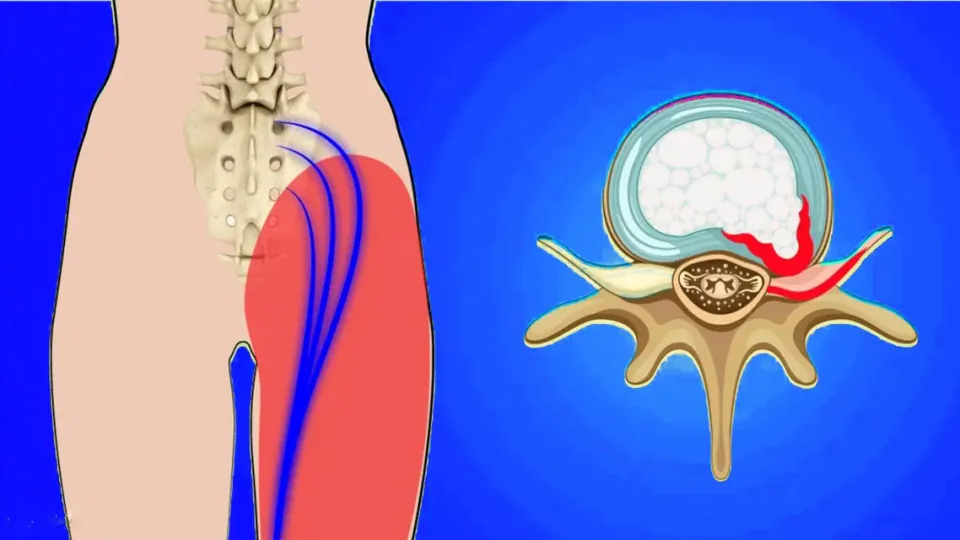
A pinched nerve lower back can cause sharp, shooting pain that travels into the buttocks or legs, making walking, sitting, or even sleeping difficult. Many patients in Ennis, TX experience this condition due to disc issues, arthritis, or spinal pressure. Early evaluation at a pain management clinic helps identify the exact cause and prevents long-term nerve damage.
When a nerve becomes compressed, symptoms can worsen over time if ignored. Proper diagnosis is essential because similar symptoms may come from sciatica or disc herniation affecting spinal nerves.
What is Pinched Nerve Lower Back?
A pinched nerve occurs when surrounding tissues such as discs, bones, or muscles apply pressure on spinal nerves. This compression interrupts normal nerve function and causes radiating pain. It is one of the most common reasons patients visit a spine and pain clinic in Ennis Texas.
Medical studies show that conditions like herniated discs, spinal narrowing, and age-related degeneration are leading causes of nerve compression in the lower spine. The pain may increase with bending, lifting, or prolonged sitting and can extend down one or both legs.
Common Signs & Symptoms
Pinched nerve symptoms can vary depending on severity and location. Many patients confuse it with simple back strain at first, but nerve involvement creates more distinct signs that require medical attention. Recognizing early symptoms helps in getting timely care from a chronic pain specialist like Dr Rao K Ali before the condition worsens.
- Sharp or burning pain in the lower back
- Pain radiating down the leg or buttock
- Tingling or “pins and needles” sensation
- Muscle weakness in legs or feet
- Pain that worsens while sitting or standing
Treatment Options for Lower Back Nerve Pain
Modern lower back nerve pain treatment Ennis TX focuses on non-surgical and minimally invasive methods. The goal is to relieve pressure on the nerve and restore normal movement without long recovery periods. A pain management specialist may recommend a combination of therapies depending on severity and cause.
- Epidural steroid injections to reduce inflammation
- Nerve block procedures for targeted pain control
- Physical therapy to strengthen spinal support muscles
- Anti-inflammatory medications for symptom relief
- Guided stretching and posture correction exercises
Sciatica Pain Relief
Sciatica is one of the most common forms of pinched nerve pain. It occurs when the sciatic nerve is compressed in the lower spine, leading to pain that travels from the back down the leg. Patients searching for sciatica pain relief Ennis often report difficulty in walking or standing for long periods.
Treatment usually focuses on reducing nerve inflammation and relieving pressure on the affected area. Doctors may use guided injections, anti-inflammatory treatments, and rehabilitation exercises to improve mobility and reduce nerve irritation.
Role of a Pain Management Specialist
A chronic back pain specialist plays a key role in diagnosing and treating nerve-related back conditions. Instead of treating only symptoms, they focus on identifying the root cause using imaging tests and physical evaluations.
Patients visiting a pain management in Ennis clinic receive personalized care plans designed to improve mobility and reduce recurrence of pain. This approach helps avoid unnecessary surgery in many cases.
“Pain is the body’s signal that something deeper needs attention, not just suppression.”
When to Visit a Back Pain Doctor
Delaying treatment can allow nerve compression to worsen over time. It is important to consult a back pain doctor in Ennis if symptoms persist for more than a few days or begin affecting daily activities. Warning signs include increasing leg pain, loss of strength, or difficulty standing for long periods.
Early medical care improves recovery chances and reduces the risk of long-term nerve irritation. A spine and pain clinic uses advanced diagnostic tools to identify the exact location of nerve compression. Imaging techniques such as MRI or X-rays help specialists determine whether the issue is caused by a disc, bone, or soft tissue.
How to Prevent Nerve Compression?
Preventing future episodes of pinched nerve pain requires consistent care and awareness. Strengthening core muscles and maintaining flexibility can reduce stress on the lower spine. Regular follow-ups with a pain management specialist help monitor spinal health and adjust treatment when needed.
Early intervention remains the most effective way to prevent chronic nerve damage. Along with medical treatment, lifestyle adjustments play an important role in healing pinched nerve conditions. Simple changes can reduce pressure on the spine and support long-term recovery.
Patients are often advised to maintain correct posture, avoid heavy lifting, and stay active with low-impact exercises. These habits help reduce recurrence and improve spinal health over time.
Conclusion
If you are experiencing persistent lower back pain or nerve-related symptoms, early care can make a major difference. A spine and pain clinic in Ennis Texas can help diagnose the cause of pinched nerve lower back and provide advanced treatment options designed to reduce pain, restore movement, and improve long-term spinal health.
FAQs
What causes a pinched nerve in the lower back?
It is commonly caused by herniated discs, spinal narrowing, arthritis, or muscle pressure on spinal nerves.
How is sciatica related to a pinched nerve?
Sciatica occurs when the sciatic nerve is compressed, leading to pain that travels from the lower back into the leg.
Can a pinched nerve heal without surgery?
Yes, many cases improve with injections, physical therapy, and medication without needing surgery.
When should I see a specialist for back pain?
If pain lasts more than a few days, worsens, or spreads into the legs, medical evaluation is recommended.