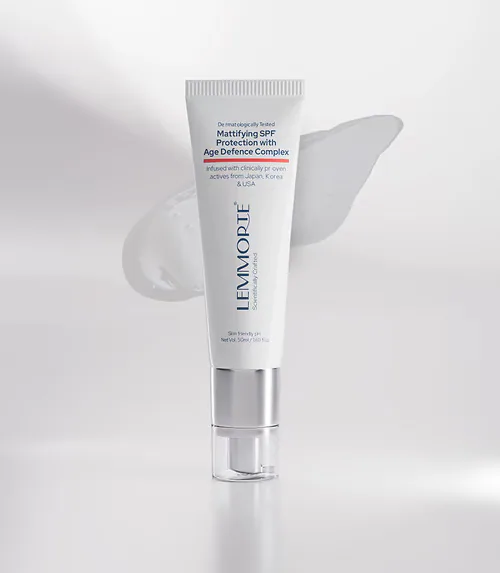
Using sunscreen daily is no longer optional skincare advice; it is a necessity. The best sunscreen for face does more than protect against sunburn. It shields the skin from premature aging, pigmentation, acne flare-ups, and sensitivity triggered by UV exposure. Since facial skin is thinner and more delicate than the rest of the body, it needs targeted protection that suits its unique needs.
With so many formulas available, from gel to cream to mineral filters, finding the right sunscreen can feel overwhelming. Should you choose one for oily skin, acne-prone skin, aging concerns, or sensitive skin? Understanding how sunscreens work and what ingredients to look for can help you make an informed decision that supports healthy, balanced skin in the long run.
What Makes the Best Sunscreen for Face Different From Body Sunscreen?
Facial sunscreens are designed to be lightweight, non-comedogenic, and cosmetically elegant. Unlike body sunscreens, they are formulated to sit comfortably under makeup and daily skincare products.
The best sunscreen for face should:
- Provide broad-spectrum protection against UVA and UVB rays
- Have an SPF of at least 30 for daily use
- Be non-greasy and fast-absorbing
- Suit specific concerns like oily skin, acne, aging, or sensitivity
A well-formulated facial sunscreen protects without clogging pores or causing irritation, making it suitable for everyday wear.
Which Sunscreen Is Best for Oily Skin and Excess Shine?
Finding the best sunscreen for oily skin can be challenging, as heavy or creamy formulas often leave a greasy residue. Oily skin benefits most from gel-based or water-based sunscreens that absorb quickly and leave a matte finish.
Key features to look for include:
- Oil-free and non-comedogenic labels
- Gel or fluid textures
- Ingredients like niacinamide or zinc that help regulate oil production
Using a sunscreen tailored for oily skin helps prevent midday shine while still providing full UV protection. Lightweight formulas ensure that the skin feels fresh rather than weighed down.
How Does Acne Sunscreen Help Prevent Breakouts?
For those dealing with frequent breakouts, choosing the right acne sunscreen is essential. Sun exposure can worsen acne marks, cause inflammation, and slow down the healing process.
Sunscreens suitable for acne-prone skin should:
- Be non-comedogenic to avoid clogged pores
- Contain soothing ingredients to calm redness
- Avoid heavy fragrances or pore-blocking oils
The right sunscreen for oily acne-prone skin protects the skin barrier while preventing post-acne marks from darkening due to sun exposure. Daily use also reduces irritation caused by acne treatments that make skin more sun-sensitive.
What Is the Best Sunscreen for Oily Acne-Prone Skin?
When skin is both oily and acne-prone, balance is key. A sunscreen that is too drying can trigger excess oil production, while a heavy one can cause breakouts.
The ideal sunscreen for oily acne-prone skin should:
- Offer a matte or semi-matte finish
- Be lightweight and breathable
- Include calming and oil-controlling ingredients
Gel sunscreens are often preferred for this skin type because they absorb quickly and do not leave residue. Consistent use helps maintain clear skin while preventing sun damage.
Can Sunscreen Really Work as an Anti-Aging Product?
Yes, sunscreen is one of the most effective anti aging sunscreen solutions available. UV rays are a leading cause of fine lines, wrinkles, loss of elasticity, and uneven skin tone.
An anti-aging sunscreen should:
- Protect against UVA rays that cause collagen breakdown
- Contain antioxidants that fight free radical damage
- Be comfortable enough for daily, long-term use
Regular use of sunscreen slows visible signs of aging and helps maintain youthful, firm skin. It works best when combined with a consistent skincare routine that includes cleansing and moisturizing.
Why Is Sunscreen Essential for Aging Skin?
As skin matures, it becomes thinner, drier, and more prone to sun damage. Choosing the right sunscreen for aging skin helps protect against further damage while supporting skin health.
Look for sunscreens that:
- Provide hydration along with sun protection
- Support skin barrier repair
- Help prevent age spots and uneven pigmentation
A well-chosen sunscreen for aging skin not only protects but also improves overall skin comfort, making it a crucial step in any mature skincare routine.
What Should Sensitive Skin Look for in a Sunscreen?
Sensitive skin reacts easily to harsh ingredients, fragrances, or alcohol. The best sunscreen for sensitive skin should be gentle while still offering strong sun protection.
Important qualities include:
- Minimal ingredients to reduce irritation
- Fragrance-free and alcohol-free formulas
- Gentle UV filters suitable for delicate skin
Using the right sunscreen consistently can reduce redness, burning, and discomfort caused by sun exposure. Patch testing is always recommended before incorporating a new product into a sensitive skincare routine.
How Should You Apply Sunscreen for Maximum Effectiveness?
Even the best sunscreen for face will not work properly if applied incorrectly. Correct application ensures full protection throughout the day.
Best practices include:
- Applying sunscreen as the final step of your morning skincare routine
- Using enough product to cover the face and neck evenly
- Reapplying every two to three hours when exposed to sunlight
Daily application, even on cloudy days or indoors near windows, helps maintain consistent protection and prevents cumulative sun damage.
Conclusion: Which Is Truly the Best Sunscreen for Face?
The best sunscreen for face is one that suits your individual skin type and concerns while offering reliable broad-spectrum protection. Whether you are looking for the best sunscreen for oily skin, an acne sunscreen, a sunscreen for oily acne-prone skin, or an anti aging sunscreen for aging or sensitive skin, the key lies in choosing a lightweight, non-irritating, and effective formula.
Consistent sunscreen use is one of the simplest yet most powerful steps you can take to protect your skin, preserve its health, and maintain a youthful appearance. By understanding your skin’s needs and selecting the right sunscreen, you invest in long-term skin protection and overall confidence.